SummitBloom Pest Protection approaches thermal remediation with forensic mechanical precision to resolve acute biological infestations inside living quarters. Bed bugs ( Cimex lectularius ) exhibit documented…
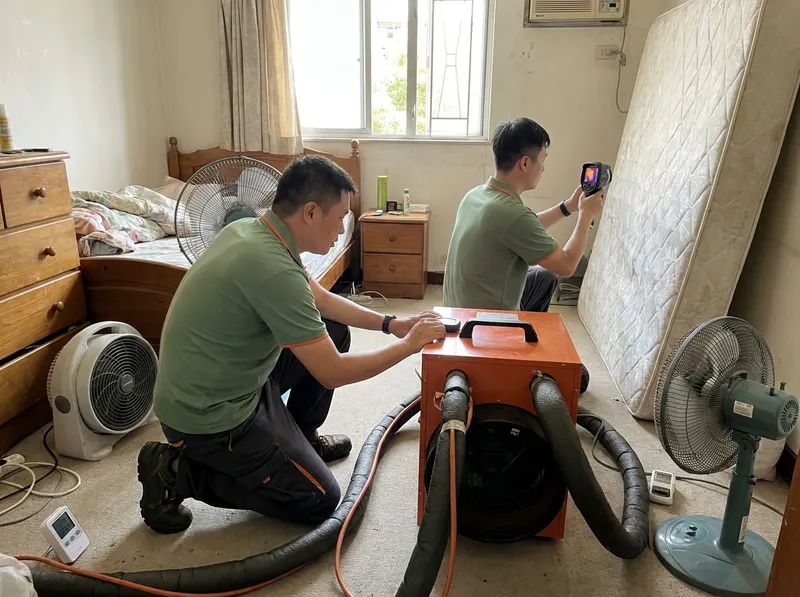
SummitBloom Pest Protection approaches thermal remediation with forensic mechanical precision to resolve acute biological infestations inside living quarters. Bed bugs (Cimex lectularius) exhibit documented behavioral resistance to traditional pyrethroid sprays, making uniform heat convection the scientific gold standard for rapid eradication. Industrial heaters elevate ambient room air to lethal thermal boundaries, circulating forced convective heat across wall cavities, interior floor plates, and structural joinery. Homeowners in historic brick structures across German Village, Victorian Village, and Olde Towne East frequently contend with continuous lath-and-plaster wall cavities where topical surface sprays fail to reach insect harborage. Sustaining temperatures above 120°F directly denatures vital insect proteins, collapsing the pest population across every life cycle phase, including desiccated egg cases, without exposing indoor environments to chemical residues.
Operational execution follows strict diagnostic protocols designed to safeguard structural elements and household assets. Technicians deploy digital infrared thermography alongside wireless thermistor sensors positioned inside mattress cores, exterior wall voids, and deep closet corners to confirm that every structural boundary reaches thermal kill metrics defined by the Virginia Department of Agriculture and Consumer Services. While smaller apartments near the Short North Arts District or campus rental corridors near the Ohio State University Main Campus require localized zone containment, detached residential frames in Bexley, Upper Arlington, and Clintonville often demand systemic multi-room setups to counter migration through heating chases. The operational trade-off of structural heat remediation centers on intensive pre-treatment preparation: homeowners must temporarily displace pressurized cylinders, vinyl records, fine oil paintings, wax cosmetics, and household electronics to prevent heat damage while ensuring uninhibited airflow around baseboards and structural margins.
Step 1 involves an initial diagnostic layout where technicians map perimeter insulation thresholds, inspect crawlspaces, and establish wireless temperature probes. Step 2 requires sealing window drafts and sealing air intake registers using high-temperature thermal barrier wraps. Step 3 deploys electric or indirect-fired convective heat units regulated by an external monitoring station to systematically ramp interior zones past 122°F. Step 4 maintains continuous directional airflow fans to eliminate thermal cold spots behind baseboards, beneath hardwood planking, and within closet recesses. Step 5 concludes with an infrared post-treatment clearance scan, verifying structural cooling and complete population mortality before re-entry.
Regulatory and environmental safeguards remain paramount throughout the convective heating cycle. Integrated pest management guidelines established by the United States Environmental Protection Agency emphasize thermal solutions to minimize pesticide reliance inside residential sleeping zones. Equipment configurations align with workplace safety standards from the Occupational Safety and Health Administration to protect internal wiring and structural integrity. Guidance from the National Pest Management Association directs technician placement of localized air scrubbers, preventing airborne particulate circulation during high-velocity heating. Furthermore, building thermal integrity aligns with standards maintained by the American Society of Heating, Refrigerating and Air-Conditioning Engineers, while specialized equipment draws power under standards detailed by the National Fire Protection Association. Diagnostic monitoring incorporates structural guidelines from the Building Performance Institute, the American Society for Testing and Materials, and the National Institute of Standards and Technology. In high-density settings like Grandview Heights or Franklinton, technicians coordinate alongside guidelines from the U.S. Department of Housing and Urban Development to manage shared vertical plumbing risers. For inquiries or diagnostics, homeowners contact SummitBloom Pest Protection at (513) 812-8031.
Every job gets a firm, written price after an on-site visit.
Tell us about your thermal bed bug eradication job in Columbus and we'll send a clear, written quote, usually the same day.
 SummitBloom Pest Protection