Property owners requiring pest control services Columbus rely on systematic, laboratory-backed methods to eradicate wood-destroying organisms, public health vectors, and nuisance insects. Subterranean moisture corridors and river valleys across Franklin County create persistent biological pressures against foundations, crawlspaces, and attics.
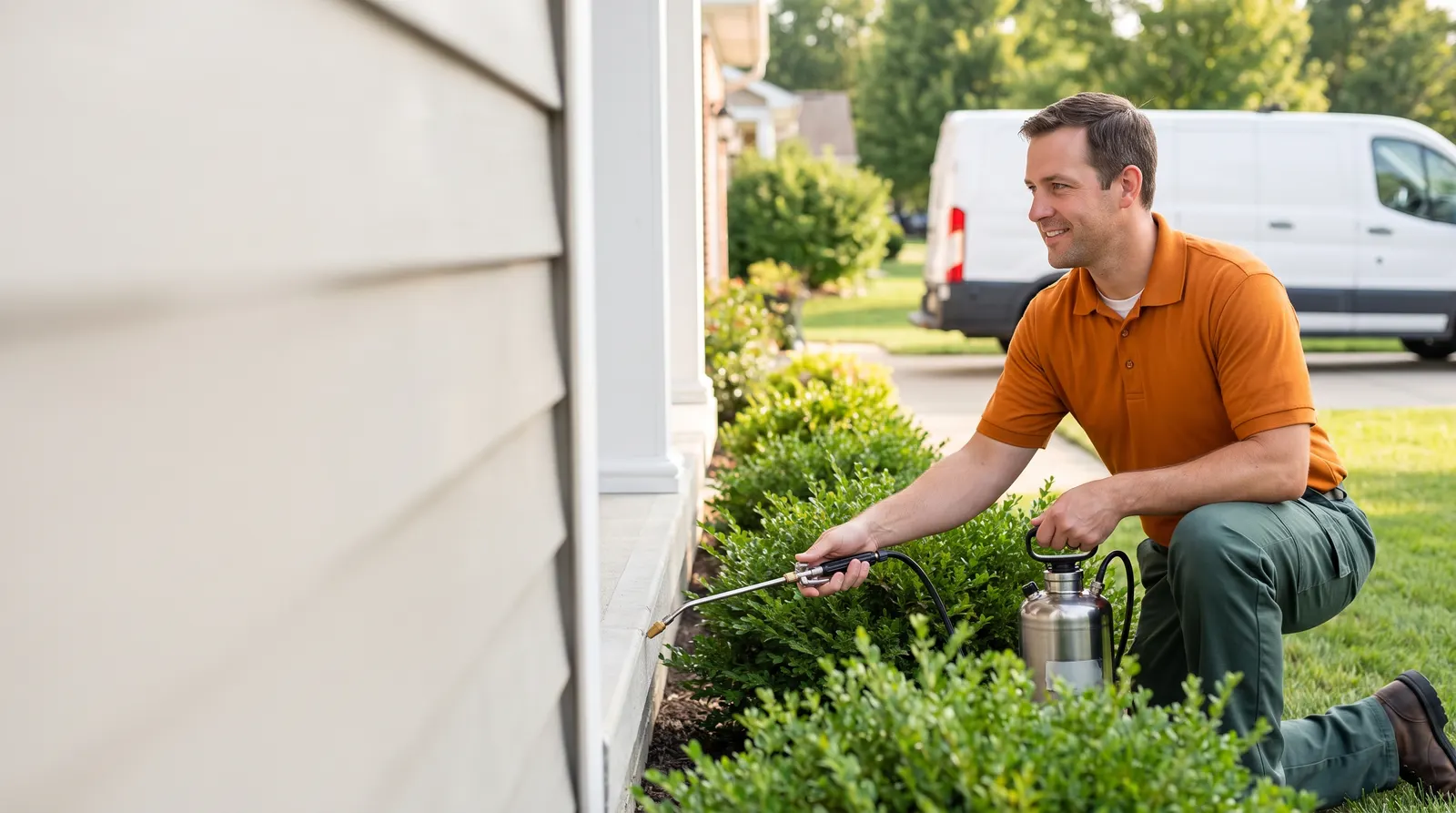
A pest control services company in Columbus is an integrated environmental health management firm that inspects, eliminates, and structurally excludes unwanted biological vectors from residential and commercial structures.
Every service reflects the same meticulous attention to detail, whether it's a single job or a larger pest control services project across Columbus.
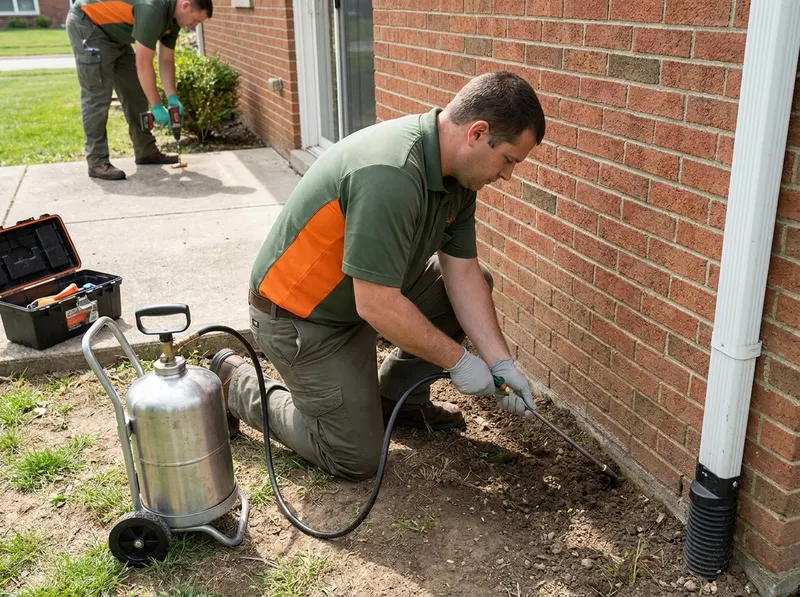
Subterranean termites cause severe structural integrity failures in Central Ohio by moving through foundation sill plates via subterranean mud tubes. Diagnostic management requires trenching exterior perimeter soils, injecting non-repellent termiticides, and mounting continuous monitoring bait stations along high-moisture perimeter bands. Structural moisture mapping pinpoints damp joists to eliminate the conditions wood-destroying colonies require for survival. Technicians inspect mud sill framing, subterranean plumbing penetrations, and exterior crawlspace vents for latent damage. High-precision baiting systems intercept foraging worker termites before colonies expand into primary floor supports. Continuous subterranean monitoring stations installed every 10 to 15 linear feet around the foundation perimeter provide ongoing surveillance against subterranean infiltration. Treatments comply with strict biological absorption protocols to prevent any leaching into local groundwater basins.
Get a quote →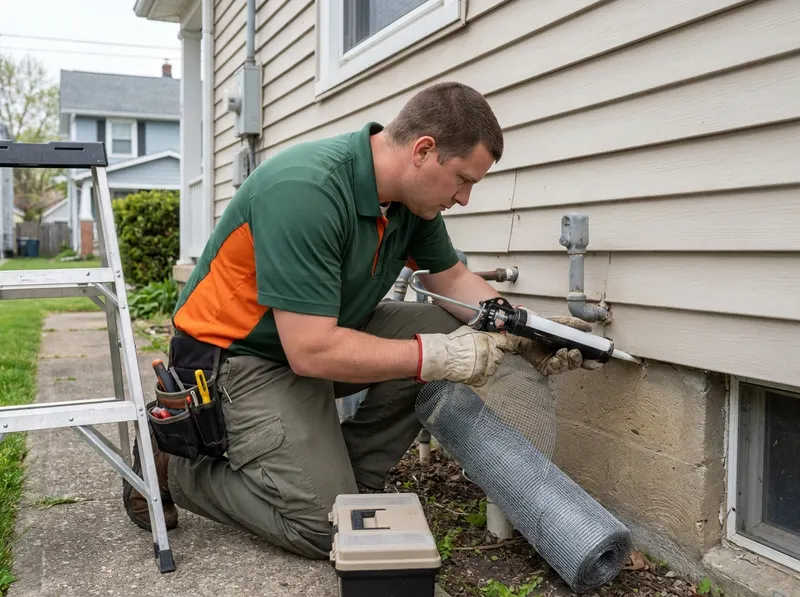
Norway rats and white-footed deer mice infiltrate structural perimeters through gaps as small as one-quarter inch. Technicians seal foundational gaps using 24-gauge galvanized biological screening, marine-grade silicones, and copper mesh barriers. Interior populations are systematically removed through enclosed mechanical trapping sequences, avoiding rodenticide placements in drop ceilings that risk indoor secondary odor decay. Crews map active rub marks, urine stains via ultraviolet forensic light, and gnaw patterns along attic rim joists. Exterior baiting consoles securely anchor along exterior foundation perimeter runs to intercept migratory field rodents before they compromise brick weep holes. Biological sanitization protocols neutralize airborne droppings and contaminated attic fiberglass insulation using antimicrobial enzyme mists.
Get a quote →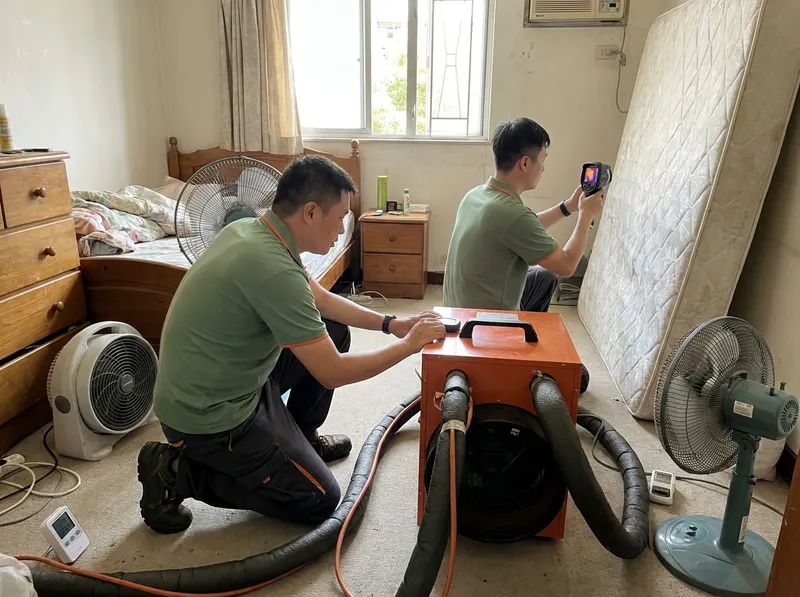
Cimex lectularius infestations demand convective thermal remediation equipment that raises ambient structural temperatures to an exact target range of 122°F to 135°F. Industrial heating units circulate heated air into wall cavities, box springs, and flooring interfaces, achieving 100% mortality across adult insects, nymphs, and embryonic eggs in a single treatment. Precision temperature sensors track thermal saturation behind structural moldings to verify complete insect elimination. High-velocity axial air movers direct heated air under baseboards and into structural wall voids where nocturnal parasites harbor. Technicians monitor heat distribution through wireless telemetry systems, ensuring zero cold spots remain in treated rooms. This non-chemical methodology allows residents to return to completely sterile, bite-free living environments within 24 hours without chemical residues on bedding or upholstered furniture.
Get a quote →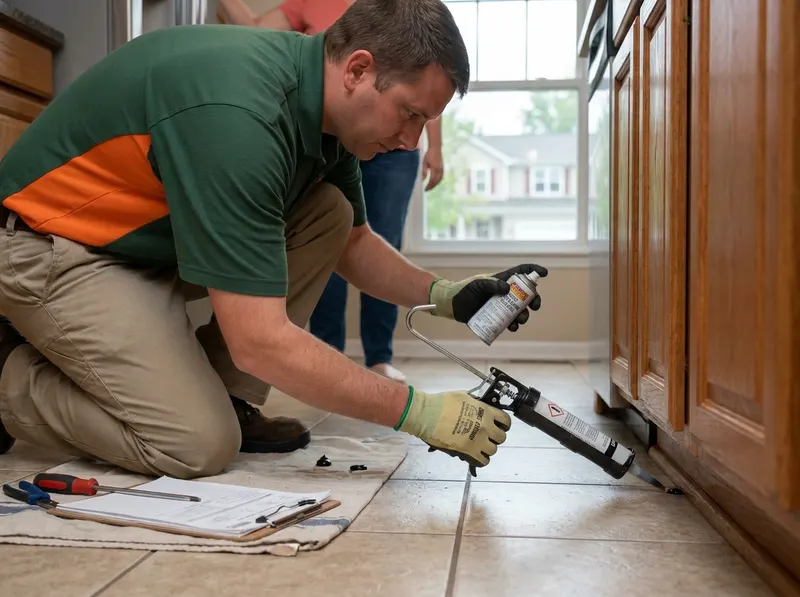
German cockroach colonies nesting inside electrical components, plumbing walls, and cabinet hinges resist generic repellent aerosol treatments. Technicians deploy targeted fipronil and indoxacarb bait matrix dots alongside juvenile insect growth regulators that halt the biological molting cycle of oothecae. Micro-targeted placements prevent chemical drift into meal prep zones while using social aggregation pheromones to collapse nesting reservoirs. High-density harborage zones receive micro-dot bait placements inside cabinet hinge mortises, motor housings, and utility pipe chases. Sticky insect monitoring traps establish quantitative population baselines to verify colony decline across scheduled bi-weekly audits. Cleanout protocols systematically disrupt the reproductive cycle, preventing juvenile nymphs from reaching reproductive maturity and permanently halting indoor colony resurgence.
Get a quote →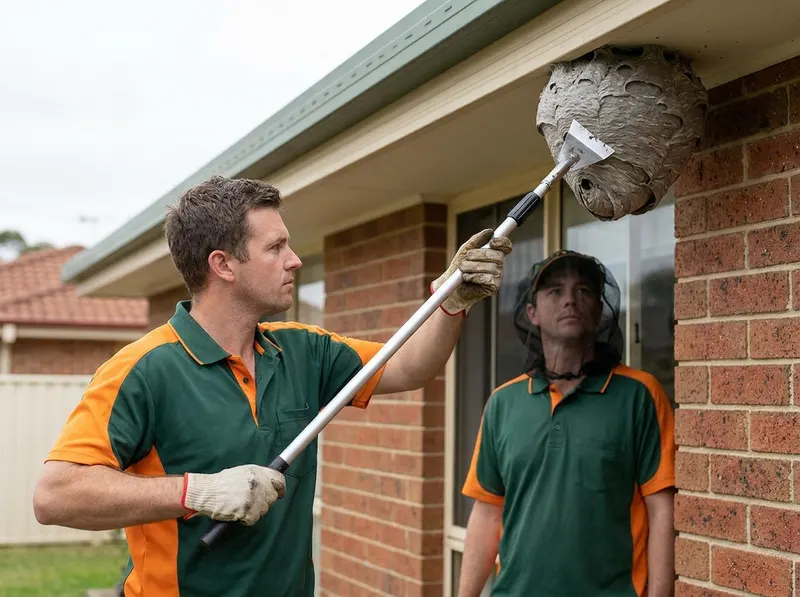
Aerial hornets, paper wasps, and subterranean yellowjacket colonies present immediate anaphylactic hazards along roof soffits, fascia boards, and landscaping beds. Extraction crews utilize specialized micro-injection equipment and pressurized botanical dust formulations to neutralize the colony central core within minutes. Technicians physically remove accessible papery nests and treat anchoring voids with residual barrier compounds to discourage identical site recolonization. Subterranean nests hidden within turf burrows or landscaping timbers undergo pressurized non-repellent aerosol flooding to eradicate subterranean queen chambers. Protective work suites enable close-proximity nest excision without agitating foraging wasps into surrounding residential spaces. Preventative structural sealing closes off open soffit gaps, gable vents, and vinyl siding corners to prevent new queen establishment during late summer.
Get a quote →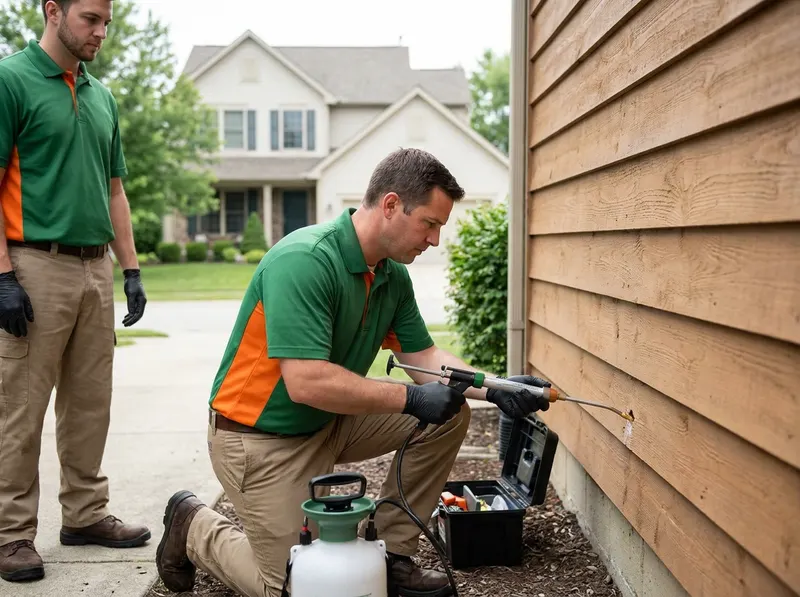
Camponotus pennsylvanicus excavate gallery networks through water-damaged wood frames, subflooring, and window headers without consuming the cellulose. Structural sonic detection tools trace active movement within structural framing before technicians drill microscopic access ports directly into the nesting gallery. Pressurized transfer foam expands 30-to-1 inside the wall cavity, coating tunneling galleries and eliminating parent and satellite queens. Moisture meters trace subterranean condensation, roof leak pathways, and plumbing drips that create the softened wood fiber carpenter ants target. Outside, foraging trails extending along tree branches and exterior siding get intercepted by liquid non-repellent transfer barriers. Once the satellite colony inside the framing is neutralized, physical void closures block future foraging pathways into structural wall bays.
Get a quote →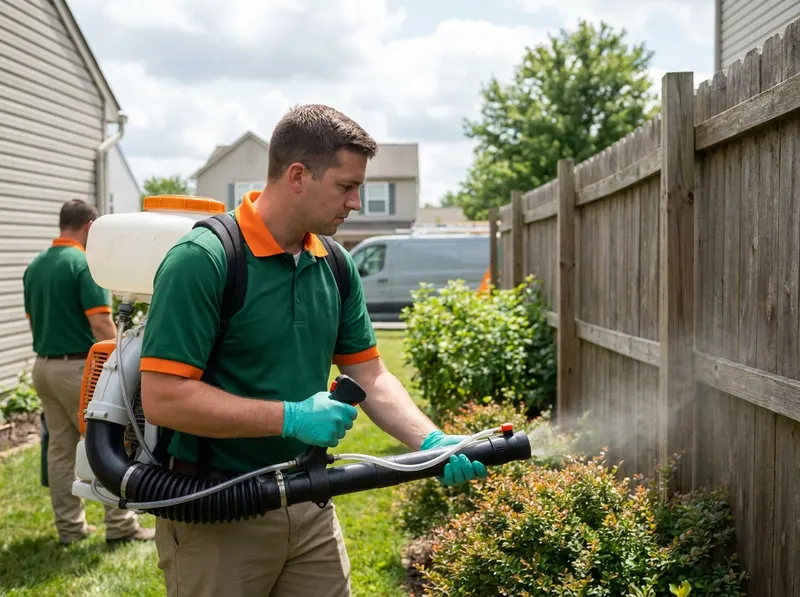
Shaded vegetation canopies, wetland pockets, and drainage basins allow Culex and Aedes mosquito populations to proliferate throughout warm Ohio summers. Specialized backpack mist units apply micro-encapsulated pyrethroids combined with botanical larvicides to foliage undersides, foundation perimeters, and shrubbery surfaces. The applied formulation adheres to foliage during rain events, killing resting adult vectors and breaking reproductive larval cycles. Specialized water treatments containing Bacillus thuringiensis israelensis neutralize standing water pools in gutters, bird baths, and ornamental ponds without harming fish or domestic animals. Barrier applications establish a multi-tiered defensive zone across outdoor living areas, cutting adult biting populations by up to 90% through peak warm seasons. Monthly service cycles align with regional precipitation to maintain protective residual coverage.
Get a quote →Centipedes, brown marmorated stink bugs, boxelder bugs, and multi-colored Asian lady beetles converge on exterior masonry when ambient outdoor temperatures fall. Protective barrier service applies an eight-foot defensive band extending three feet up exterior brick or vinyl siding and five feet outward into contiguous landscape soil. Water-resistant micro-suspension capsules remain biologically active against UV exposure to block entry points before insects reach living quarters. Specialized power dusting tools inject microscopic desiccant dusts behind vinyl siding corner posts, brick expansion joints, and soffit channels. Mechanical exclusion seals gaps surrounding outdoor spigots, electrical service lines, and basement window wells. This bi-annual seasonal deployment protects indoor air quality by intercepting mass seasonal insect migrations before invaders settle into insulated wall cavities.
Get a quote →You get a firm, itemized quote for your pest control services before any work begins, no surprises, no pressure.
Careful prep, tidy work, and a full cleanup when we are done. We treat your home and belongings like our own.
The same trusted, background-checked team from the first call to the final check.
Selecting appropriate biological intervention requires matching the vector's reproductive speed and nesting physiology to the correct remediation category. If you detect wood shavings, hollow structural framing, or winged reproductive swarmers near basement sill plates, select structural wood-destroying insect remediation; if you discover erratic fecal deposits, chewed appliance wiring, or shredded fiberglass insulation inside crawlspaces, choose perimeter structural rodent exclusion. The operational trade-off centers on treatment depth versus speed of installation: surface-level perimeter liquid barriers establish immediate 60-day contact kill zones against transient seasonal pests, whereas full structural exclusion demands custom masonry sealing, copper mesh packings, and sub-slab bait terminal drilling, which requires higher labor investment but yields permanent biological resistance.
For active nocturnal biting parasites such as bed bugs, whole-room thermal remediation creates instantaneous single-day eradication through convective heat across all life stages, whereas multi-visit micro-encapsulated chemical regimes require lower initial expenditures but demand repeated 14-day clearance cycles to target emerging nymphs. Commercial food service and multi-family structures require systematic preventative insect baiting networks, while detached residential foundations benefit most from high-pressure exterior wall soil injection and granular water-activated barrier ribbons. SummitBloom Pest Protection evaluates the biological severity of the breach to configure targeted remediation protocols that resolve pest activity without saturating occupied domestic air spaces.
When considering chemical insect suppression versus architectural pest proofing, property managers must weigh immediate mortality against lifelong structural defense. Liquid non-repellent termiticides saturate soil profiles down to footer levels within several hours, providing an immediate chemical curtain that neutralizes subterranean worker termites before they breach sill plates. In contrast, total crawlspace encapsulation and mechanical metal flashing require several days of detailed carpentry and masonry work, yet these physical revisions eliminate the ambient moisture gradients that draw wood-boring pests in the first place.
For residential properties experiencing persistent micro-infestations of pantry pests or fabric-feeding carpet beetles, precision pheromone interception systems capture reproducing adults without dispersing airborne particulates across pantry shelves. Selecting whole-house thermal remediation over topical contact sprays carries a trade-off in electrical utility demands and preparatory staging, as domestic items sensitive to 135°F heat must be temporarily relocated; however, convective thermal energy penetrates hollow structural stud bays, mattress internal springs, and carpet floor paddings that liquid sprays cannot safely contact. Implementing an ongoing exterior containment perimeter requires nominal recurring seasonal appointments, but eliminates the need for emergency invasive interior treatments throughout the harsh winter months.
We guide homeowners through these operational trade-offs by referencing concrete diagnostic data, environmental structural audits, and verified insect lifecycle timelines. Diagnostic mapping precisely determines whether biological vectors originate from localized interior microclimates or external migratory corridors, ensuring treatment resources target true breeding epicenters rather than harmless peripheral zones.
Every project gets a firm, written price after an on-site visit. Ranges below for orientation.
Tell us about your pest control services job and we'll send a clear, written quote, usually the same day. Or just call and talk to a real Columbus pro.
(513) 812-8031
Properties built along alluvial flood zones near the Scioto Mile, Goodale Park, and the Olentangy River valley experience high subsurface relative humidity that accelerates subterranean termite swarm activity during early spring. Historic masonry foundations and rubble-stone footings throughout Victorian Village, German Village, and Olde Towne East feature aging lime mortar joints that let deer mice and Norway rats access warm crawlspace utilities once autumn frost strikes Franklin County. Modern slab foundations across Upper Arlington, Clintonville, and Worthington contend with moisture retention in heavy Ohio glacial clay, driving carpenter ant colonization into damp structural sill plates. The heavy clay soils prevalent across Central Ohio expand dramatically during wet spring periods and shrink during late-summer dry spells, creating foundational hairline fractures along basement walls that serve as entry corridors for ground-dwelling arthropods and pavement ants. Neighborhoods bordering wooded municipal corridors, such as the Whetstone Park of Roses in Clintonville or the historic estates of Bexley near Alum Creek, experience substantial autumn migrations of white-footed deer mice seeking attic insulation for winter nesting. In high-density dining and entertainment hubs like the Short North Arts District and Franklinton, mixed-use commercial and residential properties face persistent German cockroach pressures transmitted through shared plumbing lines and brick party walls. Furthermore, proximity to municipal water features such as the Scioto River and Griggs Reservoir elevates Culex mosquito breeding in poorly draining residential gutters and shaded yard microclimates across Grandview Heights. SummitBloom Pest Protection customizes biological treatment formulations to these distinct micro-geographies, accounting for soil mineral profiles, foundation age, and local urban forest density across all Columbus zip codes.
 SummitBloom Pest Protection